
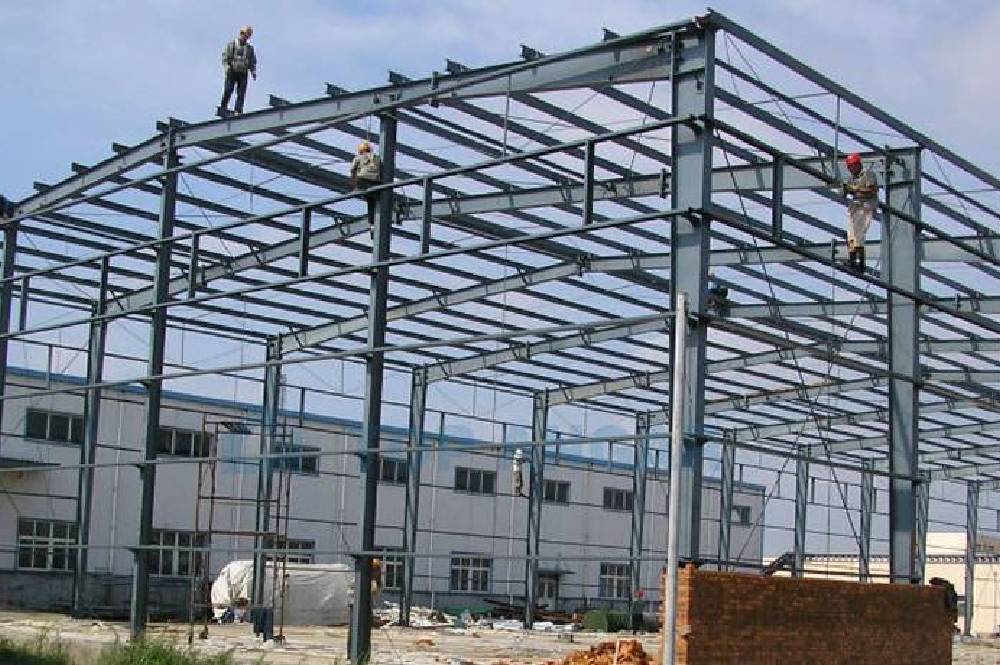
In the world of construction and industrial development, fabrication work plays a vital role in bringing engineering designs to life. From industrial sheds and pipelines to machine frames and custom structural components, fabrication is the process that converts raw materials into precise, usable structures.
This guide explores everything you need to know about fabrication work — what it includes, how it’s done, the materials involved, common applications, best practices, and how to choose the right fabrication partner for your project.
🔧 What Is Fabrication Work?
Fabrication refers to the process of cutting, bending, welding, and assembling raw materials — typically metal — into final products, components, or structural elements. It is used in industries such as construction, manufacturing, oil & gas, automotive, railways, and power generation.
Fabrication differs from manufacturing in that it often involves custom-built parts rather than mass production. Every job is tailored to project specifications, making accuracy, material selection, and skilled labor crucial.
🏗️ Types of Fabrication Services
-
Structural Steel Fabrication
-
Beams, columns, trusses, base plates
-
Used in building frameworks, warehouses, and industrial sheds
-
-
Sheet Metal Fabrication
-
Cutting, punching, folding metal sheets into enclosures or panels
-
Common in machine housing and ductwork
-
-
Pipe Fabrication
-
Cutting, threading, welding of pipes for water, gas, chemicals
-
Includes elbows, tees, reducers, and custom spools
-
-
Custom Equipment Frames
-
Base structures for machines, tanks, conveyors
-
Requires load calculation and precision engineering
-
-
Staircases, Ladders, Platforms
-
MS/SS structures for industrial access
-
Often galvanized or epoxy-coated for corrosion resistance
-
🔍 Processes Involved in Fabrication Work
-
Design and Drafting
-
Client requirements are translated into CAD drawings
-
2D/3D modeling helps visualize before production
-
-
Material Procurement
-
Steel (MS, SS), aluminum, and other alloys
-
Based on load, corrosion resistance, weldability
-
-
Cutting
-
Plasma, oxy-fuel, laser, or mechanical cutting
-
Accuracy is critical to ensure proper assembly
-
-
Forming & Bending
-
Hydraulic press brakes used to shape metals
-
Pipe bending, rolling also part of this phase
-
-
Welding
-
MIG, TIG, Stick welding depending on material & thickness
-
Joints are tested for strength and finish
-
-
Assembly
-
Parts are fixed into final position using jigs & fixtures
-
Temporary bolts used before final welding
-
-
Finishing
-
Grinding, polishing, galvanizing, painting, powder coating
-
Improves aesthetics and corrosion protection
-
-
Quality Inspection
-
Dimensional checks, visual welding inspection, NDT (if required)
-
Compliance with design drawings ensured
-
🧱 Materials Commonly Used
-
Mild Steel (MS): Strong, economical, easy to weld — ideal for most structures
-
Stainless Steel (SS304/SS316): Corrosion-resistant, hygienic — used in food plants or marine areas
-
Aluminum: Lightweight, non-corrosive — used in mobile units or heat-sensitive setups
-
Galvanized Iron (GI): Rust-resistant — ideal for outdoor installations
-
Alloy Steels: For high-strength or temperature-resistant applications
⚙️ Industries That Rely on Fabrication
-
Construction
-
Building frameworks, sheds, scaffolding, rebar cages
-
-
Oil & Gas
-
Piping skids, pressure vessels, off-shore platforms
-
-
Automotive
-
Chassis, engine mounts, structural reinforcements
-
-
Power Plants
-
Boilers, ducting, turbine supports, cable trays
-
-
Warehousing & Logistics
-
Racking systems, conveyors, access structures
-
-
Manufacturing Plants
-
Equipment frames, safety enclosures, platforms
-
-
Food & Pharma
-
SS tanks, cleanroom structures, process lines
-
✅ Benefits of Quality Fabrication Work
-
Durability: Precision fabrication ensures long-lasting structures
-
Customization: Every piece is tailored to project needs
-
Safety: Proper welding and load calculation reduce accidents
-
Efficiency: Prefabricated assemblies reduce site time
-
Cost Savings: Avoids rework, minimizes material waste
🚧 On-site vs. Off-site Fabrication
| Aspect | On-Site Fabrication | Off-Site (Workshop) Fabrication |
|---|---|---|
| Flexibility | High – Good for last-minute changes | Limited changes once components are ready |
| Quality | Moderate – depends on weather & access | High – controlled environment, better tools |
| Speed | Slower – logistics issues at site | Faster – work happens parallel to site prep |
| Safety | Lower – exposure to hazards | Higher – safety systems already in place |
Best Approach: Use off-site fabrication for major assemblies and install on-site with final adjustments.
📏 Key Factors That Affect Fabrication Quality
-
Drawings & Tolerances
-
Clear, dimensionally accurate drawings reduce interpretation errors
-
-
Welding Skill
-
Certified welders ensure strength and finish
-
-
Material Quality
-
ISI/BIS-certified raw materials must be used
-
-
Fixtures & Tools
-
The use of jigs ensures consistent output
-
-
Surface Prep & Coating
-
Rust removal, degreasing, and priming are crucial before painting
-
-
Supervision
-
Experienced engineers must inspect every stage
-
🔥 Common Challenges in Fabrication Work
❌ Inaccurate Measurements
Leads to misfits and rework
Solution: Use laser measuring tools, double-check drawings
❌ Poor Welding
Cracks or weak joints can fail under load
Solution: Train welders, conduct welding tests
❌ Delays in Material Supply
Can bring fabrication to a halt
Solution: Plan procurement in phases and build buffer stock
❌ Lack of Standardization
Parts made manually can vary
Solution: Use CNC machines for cutting and bending
❌ Weather Conditions (for on-site work)
Rain and humidity affect steel work
Solution: Use covered sheds, shift to shop-based fabrication
🔍 Quality Control in Fabrication
QC must happen at each stage:
-
Visual Inspection: Check weld quality, alignment
-
Dimensional Checks: Verify with calipers, levels, squares
-
NDT (Non-Destructive Testing): For critical welds — ultrasonic, dye penetrant, radiographic
-
Paint Thickness (DFT): Use gauges to measure coating durability
Documentation like inspection reports, material test certificates (MTC), and welding procedure qualifications (WPS) should be maintained for project handovers.
💡 How to Choose the Right Fabrication Partner
-
Experience in Similar Projects
-
Ask for a portfolio of past jobs
-
-
In-house Facility
-
Workshops with equipment like shears, presses, cranes
-
-
Skilled Manpower
-
Certified welders, fitters, and fabricators
-
-
Quality Certifications
-
ISO 9001, AWS Welding Codes
-
-
Safety Record
-
Check if they follow site safety and PPE protocols
-
-
Project Management
-
Ability to handle design, procurement, and execution together
-
📈 Future of Fabrication – Trends to Watch
-
Automation & Robotics: CNC machines, robotic welding improve speed and consistency
-
3D Modeling & BIM Integration: Avoids clashes between services
-
Laser Cutting & Waterjet Technology: Precision and cleaner cuts
-
Modular Fabrication: Prebuilt parts shipped and assembled on-site
-
Sustainability: Recycling scrap, using energy-efficient processes
✨ Conclusion
Fabrication work is an essential component of any industrial or commercial project. Whether it’s a simple staircase or a complex machine support structure, the quality of fabrication affects the safety, durability, and efficiency of your facility.
Choosing the right team, following standard procedures, and using modern tools can ensure that your fabrication project is a success. As a client, understanding the process empowers you to make better decisions, evaluate proposals correctly, and hold vendors accountable.
🚀 Need Professional Fabrication Support?
At JK Engineering, we offer end-to-end fabrication services, including:
-
Custom structural fabrication
-
On-site and workshop-based execution
-
Pipe welding and MS/SS works
-
Equipment frames and platforms
-
Painting and surface finishing
📞 Contact us today for a free site visit or quotation.